


9 Practical Steps to Speed Up Recovery After Surgery
Last Updated: November 4, 2026
Quick Summary
To speed up recovery after surgery, follow your discharge instructions exactly, attend every follow-up appointment, keep your incision clean and dry, eat protein-rich foods, stay hydrated, and take short frequent walks as your surgeon allows. Gentle movement beats bed rest for most people, and taking pain medication on schedule helps you move and sleep better.
Read your discharge paperwork twice and book every follow-up appointment before leaving hospital.
Check your incision daily for spreading redness, increasing pain, foul discharge or fever.
Include protein at every meal to supply building blocks for new tissue.
Start with short, frequent walks and build distance gradually over days.
Take pain medication on schedule rather than waiting for pain to peak.
Table of Contents
1. Follow Your Discharge Instructions and Attend Every Follow-Up
Learning how to speed up recovery after surgery starts with one unglamorous habit: doing exactly what your surgical team tells you. Discharge instructions are written for your procedure, your wound and your health history. They beat any generic advice you will read online.
Your discharge paperwork typically covers wound care, medication timing, activity limits and warning signs. Read it twice. Keep it somewhere you can find it at 2am.
Then book every follow-up appointment before you leave the hospital. Follow-ups are how your surgeon checks healing, spots problems early and adjusts your plan. Skipping them because you feel fine is a common mistake.
A simple rule: if you are unsure whether an activity is allowed, ask your surgeon or treating team rather than guessing.
2. How to Heal a Surgical Wound: Incision Care and Infection Prevention
To heal a surgical wound well, keep the incision clean and dry, follow your dressing instructions exactly, and check it daily for changes. Most infections show up in the first week or two, so early spotting matters.
Practical incision care looks like this:
Wash your hands before touching the wound or dressing
Follow your team's guidance on when the dressing can come off
Pat the area dry gently rather than rubbing
Wear loose clothing that does not rub the incision
Never pick at scabs, stitches or staples
Spotting Warning Signs Early
Contact your surgeon or seek urgent care if you notice spreading redness, increasing pain, thick or foul-smelling discharge, fever, or a wound that opens up. These are the warning signs that matter most.
Trust your gut here. If something feels wrong, get it checked. Nobody will think less of you for asking.
3. Foods That Help Healing After Surgery
Foods that help healing after surgery are the ordinary ones: protein, fruit, vegetables, whole grains and plenty of water. There is no magic supplement that outperforms a balanced diet during tissue repair.
Protein matters most. It supplies the building blocks for new tissue, so including it at every meal is a sensible habit. Think eggs, fish, chicken, legumes, dairy or tofu.
Iron supports red blood cells, which carry oxygen to healing tissue. Vitamin C helps the body make collagen, and zinc plays a role in wound healing. You will find all three in a normal mixed diet.
Hydration and the Nutrients That Rebuild Tissue
Drink water steadily through the day, not in one big rush. Good hydration supports circulation and helps prevent constipation, which is a real issue after anaesthesia and pain medication.
Limit alcohol while you heal, and check with your pharmacist or doctor about interactions with your medications.
4. Walking After Surgery: Why Gentle Movement Beats Bed Rest
Walking after surgery beats bed rest for most people. Gentle movement supports circulation, helps prevent blood clots and keeps your muscles and joints from stiffening up.

Start small. Short, frequent walks around the house or garden are better than one long push. Build distance gradually over days, not hours. (Source: the Australian Commission on Safety and Quality in Health Care)
Stop if you feel sharp pain, dizziness or breathlessness. Some soreness is normal. Pushing through real pain is not.
Your surgeon's activity limits always come first. If you are cleared for walking but not lifting, respect that line.
5. Pain Management and Medication Safety
Take pain medication as prescribed, on schedule, rather than waiting for pain to peak. Staying ahead of pain makes it easier to move, breathe deeply and sleep, all of which support healing.
A few safety points people often miss:
Check labels for paracetamol in more than one product to avoid doubling up
Ask your pharmacist about interactions with anything else you take
Do not mix alcohol with pain medication
Never take leftover opioids from a previous prescription
Write down doses and times so you do not lose track
If pain is getting worse instead of better after the first few days, that is worth a phone call. It can be a sign of a complication rather than normal healing.
6. Recovery Time After Surgery: What to Expect by Procedure
Recovery time after surgery varies widely by procedure, your general health and how well you follow your plan. There is no single timeline, but broad patterns help you plan.
Surgery type | Early phase | Return to light daily activity | Return to work (typical) |
Keyhole abdominal | 1-2 weeks | Within days to 1 week | 1-2 weeks |
Open abdominal | 2-4 weeks | 1-2 weeks | 4-6 weeks |
Joint replacement | 2-6 weeks | 1-2 weeks with support | 6-12 weeks |
Minor soft tissue | Days | Within days | Days to 1 week |
Treat this as a rough guide only. Your surgeon knows your case and will give you a specific plan.
A Practical Day-by-Day Plan for the First Two Weeks
Days 1-2: Rest, take medication on schedule, do gentle breathing and ankle movements
Days 3-5: Short walks indoors, shower per instructions, keep the wound dry
Days 6-8: Extend walks slightly, add light household tasks if cleared
Days 9-11: Increase walking distance, check in with any stiffness
Days 12-14: Review your wound, attend follow-ups, ask about hands-on support for tight muscles
7. Sleep, Rest and the Habits That Slow Healing
Sleep is when much of your tissue repair happens, so protect it. Aim for consistent bed and wake times, keep the room dark and quiet, and use pillows to support the wound area.
Smoking is generally understood to slow healing and raise infection risk, so talk to your team about support if you smoke.
Rest does not mean lying still all day. Alternate short rest periods with gentle walking as your team allows.
8. Hands-On Support for Stiffness and Mobility as You Recover
Stiffness and restricted movement are among the most common complaints after surgery. Hands-on treatment can help you regain mobility once your surgeon clears you for it.
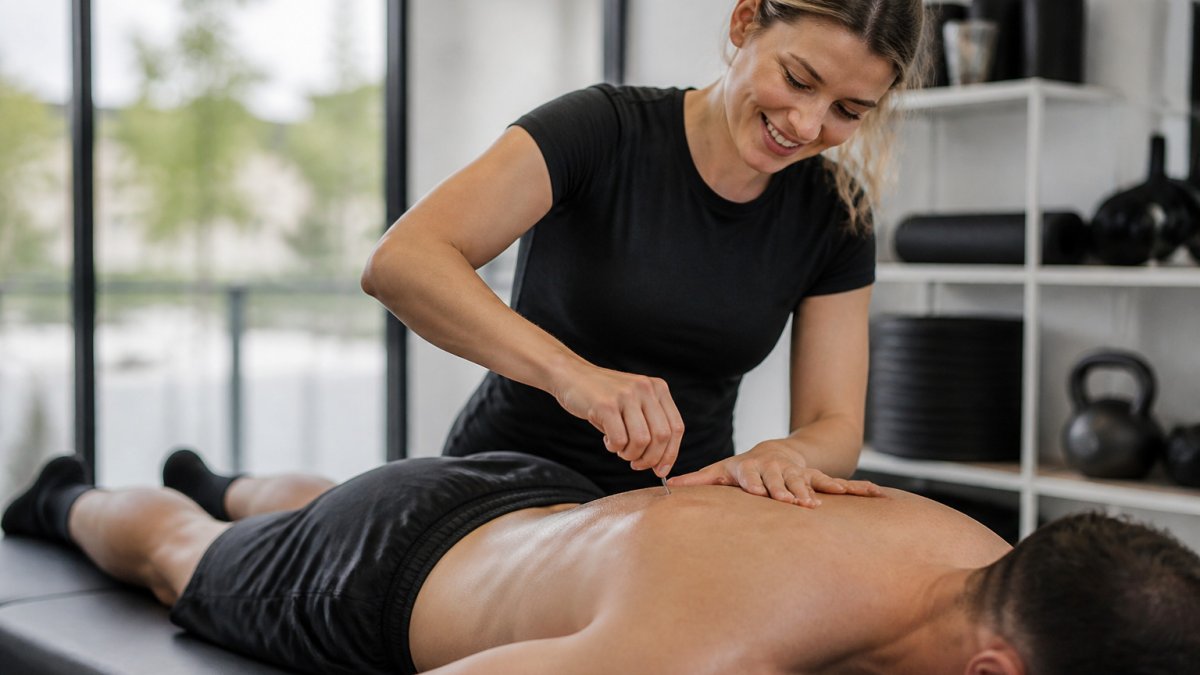
Fix My Muscles takes a strongly hands-on approach to musculoskeletal pain, injury and movement problems. Depending on your needs, treatment may include remedial massage, myofascial cupping, dry needling and manual stretch therapy, guided by our MARS approach: Mobility, Activation, Release and Stretch.
We are not physiotherapists, and we do not replace your surgical team. You can read more about manual stretch therapy or remedial massage to see what fits your situation.
Frequently Asked Questions
What helps you recover faster after surgery?
The basics do most of the work: follow your discharge instructions, protect the incision, eat protein-rich foods with fruit and vegetables, stay hydrated, take prescribed medication as directed, sleep well and walk gently as cleared. Avoid smoking and excess alcohol, which slow tissue repair. Book your follow-up appointment and raise any concerns early. If stiffness or restricted mobility lingers once you are cleared for activity, hands-on treatment such as remedial massage can help you move more comfortably while you rebuild strength.
How much should you walk after surgery?
Start with short, frequent walks rather than one long outing, and build gradually as comfort allows. Walking after surgery supports circulation, helps prevent stiffness and reduces the risk of complications linked to prolonged bed rest. Follow whatever your surgeon specifies, since some procedures restrict weight-bearing. Stop and rest if you feel sharp pain, dizziness or unusual swelling, and check with your healthcare provider before increasing distance or pace.
How long does recovery time after surgery take?
It depends on the procedure and on individual factors such as age, general health, nutrition and whether you smoke. Minor procedures may settle within a couple of weeks, while major abdominal or orthopaedic operations can take months before you return to full activity. Your surgeon's timeline is the one that applies to you. Use it to plan gradual activity, return to work and any rehabilitation, and expect good days and slower days along the way.
What should you eat to help your body heal after surgery?
Prioritise protein at every meal, such as eggs, fish, chicken, legumes and dairy, alongside vitamin C from citrus, berries and capsicum, plus iron and zinc from lean meat, nuts and wholegrains. These nutrients support tissue repair and red blood cell production. Drink water regularly through the day. A balanced diet with fresh fruit, vegetables and whole grains gives your body the raw materials it needs, and a dietitian can help if your appetite is low.
Recovering from surgery takes patience, and the people who do best are usually the ones who plan the small details. If stiffness or restricted movement is holding you back once your surgeon gives the green light, Fix My Muscles can help with hands-on treatment, manual stretch therapy and guided mobility work tailored to your body. Check our locations and operating hours, or book online to get started and move better, sooner.


Comments