


Best Remedial Massage for Chronic Pain
Table of Contents
Last Updated: October 11, 2026
Does Remedial Massage Help Back Pain
Back pain affects millions of people. Some deal with it for years without finding relief. The question isn't whether remedial massage can help, it's whether it's the right approach for your specific situation. (Source: Australian Physiotherapy Association)
Best remedial massage for chronic pain works because it targets the root cause: tight muscles, restricted movement, and tissue dysfunction. Unlike relaxation massage, which focuses on stress relief, remedial massage is treatment-focused. It uses hands-on techniques to release tension, restore mobility, and address the underlying issues causing your pain.
At Fix My Muscles, we see clients who've tried other treatments without success. They come in with chronic back pain, stiffness, and limited movement. Many have been to physiotherapy or other providers and want a different approach. Remedial massage delivers results because it combines targeted pressure, stretching, and movement work tailored to what your body needs.
Research from the Australian Physiotherapy Association confirms that hands-on soft-tissue treatment is effective for managing musculoskeletal pain. The key is finding a practitioner who understands your specific condition and applies the right techniques.
Pro Tip Back pain from desk work often stems from tight hip flexors and weak glutes, not just tight back muscles. A qualified remedial massage therapist will address the whole chain, not just the painful area.
How Remedial Massage Addresses Chronic Pain
Chronic pain doesn't respond well to generic approaches. It requires targeted treatment that works on multiple levels: releasing tight tissue, restoring movement, and rebuilding function. Understanding how remedial massage works, and what it can realistically achieve, is essential to setting the right expectations.

Soft-tissue release and muscle tension reduction
Tight muscles trap you in a cycle: tension limits movement, restricted movement increases tension. Remedial massage breaks this cycle by applying sustained pressure to release muscle knots and trigger points.
When muscles stay contracted, they restrict blood flow and oxygen. This perpetuates pain and stiffness. A skilled remedial massage therapist uses techniques like deep pressure, myofascial release, and cupping to relax these tissues. The result: reduced pain, improved circulation, and better tissue health.
Research from the National Health and Medical Research Council indicates that hands-on soft-tissue treatment can reduce pain and improve function for musculoskeletal conditions, though effect sizes vary. Some people experience significant relief; others see modest improvement. This variation depends on how long you've had the problem, tissue health, how well you follow home care, and individual factors like stress and sleep.
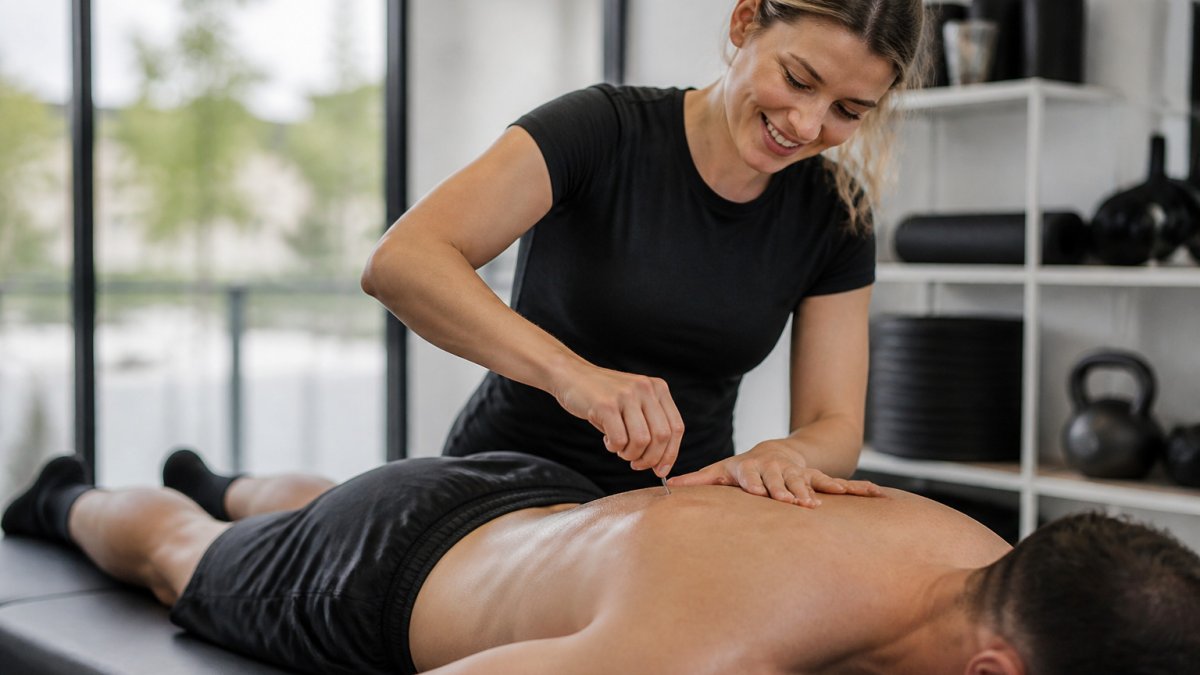
The Fix My Muscles team uses targeted pressure combined with cupping and dry needling when appropriate. This multi-layered approach addresses both surface tension and deeper tissue dysfunction. However, remedial massage is most effective when combined with movement work and self-management, it's rarely a standalone solution for chronic pain.
Key Takeaway Chronic muscle tension doesn't resolve on its own. Active release through remedial massage interrupts the pain cycle and allows healing to begin, but lasting change requires consistent treatment and home care over weeks, not days.
Restoring mobility and function
Pain limits movement. Limited movement causes weakness and stiffness. Remedial massage restores your ability to move freely, which is essential for long-term recovery.
Restricted mobility often stems from tight muscles and connective tissue. When your shoulders, hips, or spine can't move properly, compensation patterns develop. These patterns create new pain elsewhere. Remedial massage releases these restrictions and restores normal range of motion.
However, restoring mobility requires more than passive release. Your nervous system must learn to use that new range of motion. This is why Fix My Muscles combines hands-on release with movement-based recovery. Our MARS approach, Mobility, Activation, Release and Stretch, ensures you don't just feel better temporarily. You rebuild function and prevent the problem from returning.
Expect gradual progress. The timeline for improved range of motion and functional recovery depends on your condition's severity and how long it's been present.
Remedial Massage vs Deep Tissue Massage
These terms are often used interchangeably, but they're different approaches with different goals.
Deep tissue massage applies heavy pressure to reach deeper muscle layers. It's effective for releasing stubborn tension, but it's not always targeted to your specific condition. A therapist using deep tissue might apply the same technique to everyone with similar pain.
Remedial massage is assessment-driven. Your therapist evaluates your movement, posture, and pain patterns. They then select specific techniques to address YOUR issues. This might include deep pressure, but also stretching, activation work, and movement retraining.
The distinction matters. Deep tissue feels intense but may not resolve chronic pain. Remedial massage takes longer because it's customized, but it addresses root causes.
Approach | Focus | Best For | Technique Variety |
Deep tissue | Pressure and tension | Acute muscle tightness | Primarily pressure-based |
Remedial massage | Assessment and treatment | Chronic pain and dysfunction | Pressure, stretching, activation, movement |
What to Expect from Remedial Massage
Understanding the process helps you get better results. Remedial massage isn't a one-session fix. It's a structured treatment plan designed to progressively improve your condition.
The assessment and treatment planning process
Your first session begins with a thorough assessment. Your therapist asks about your pain history, what makes it worse or better, and what movements are restricted. They'll observe your posture and test your range of motion. (Source: National Health and Medical Research Council)
This assessment is crucial. It determines which techniques will work best and what your treatment plan should include. A good therapist explains what they find and discusses realistic outcomes.
At Fix My Muscles, we spend time understanding your goals. Are you trying to return to sport? Reduce pain for daily activities? Improve sleep? Your specific goal shapes the treatment approach.
During and after your session
During treatment, expect active participation. Your therapist will ask you to move, stretch, and engage muscles. This isn't passive relaxation, it's collaborative healing.
After your session, you might feel sore. This is normal. Your muscles have been worked, and inflammation may increase temporarily before improving. Most people feel noticeably better within 24-48 hours. (Source: Healthdirect Australia)
Your therapist will give you exercises or stretches to do between sessions. These are essential. They reinforce the work done in the clinic and accelerate recovery.
Watch Out Pushing too hard too fast delays healing. If you experience sharp pain (not muscle soreness) after treatment, tell your therapist. Adjustment is needed.
How Often to Get Remedial Massage for Pain
Frequency depends on your condition's severity and how your body responds to treatment.
For acute pain, you might need weekly sessions initially. As you improve, frequency decreases. Chronic pain that's been present for years typically requires 4-8 weeks of consistent treatment before significant change occurs. (Source: Pain Australia)
A common pattern:
Weeks 1-2: Weekly sessions to establish baseline and begin releasing tension
Weeks 3-6: Twice monthly as pain reduces and function improves
Weeks 7+: Monthly maintenance or as needed
Your therapist will assess your progress and adjust frequency. Some people respond quickly. Others need longer. This depends on tissue health, how long you've had the problem, and how well you follow home care advice. (Source: Better Health Channel)
Choosing a Qualified Remedial Massage Therapist
Not all massage therapists are equally qualified. Your choice significantly impacts results.
Look for practitioners who:
Have formal training in remedial massage (not just basic massage certification)
Perform a thorough assessment before treatment
Explain what they find and discuss your treatment plan
Use multiple techniques, not just one approach
Ask about your goals and adjust treatment accordingly
Encourage home care and provide specific exercises
The Fix My Muscles team combines experience with modern techniques. Our therapists integrate remedial massage with dry needling, myofascial cupping, and manual stretch therapy. This integrated approach addresses complex pain patterns that single-technique providers might miss.
Ask potential therapists about their experience with your specific condition. Someone skilled with sports injuries might not be the best fit for desk-work-related neck pain. Specialisation matters.
When to Seek Medical Assessment
Remedial massage is effective for many musculoskeletal conditions, but it's not appropriate for everything. Certain situations require medical evaluation first, not because massage is dangerous, but because other conditions may need different or additional care. Resources such as Healthdirect Australia can help you decide when a doctor's assessment is the right first step.
Red flags that require medical attention
Seek medical assessment if you have:
Sudden severe pain with no clear cause - May indicate acute injury, fracture, or internal issue requiring imaging or specialist assessment
Numbness or tingling that spreads - Can signal nerve compression or neurological involvement that needs investigation
Pain following significant trauma - Requires ruling out fracture, ligament damage, or other structural injury
Signs of infection (fever, swelling, redness, warmth) - Indicates inflammation or infection that massage may worsen
Unexplained weight loss or night sweats - May suggest systemic illness unrelated to musculoskeletal dysfunction
Pain that worsens despite treatment - Lack of improvement after consistent remedial massage warrants reassessment
Severe headaches or dizziness with neck pain - May indicate vascular or neurological involvement
Bowel or bladder changes with back pain - Can signal cauda equina syndrome, a medical emergency recognised by sources like the Mayo Clinic
How to communicate with your doctor
When you see your GP, be specific about your pain: where it is, when it started, what makes it better or worse, and what movements are restricted. Mention any remedial massage or other treatment you've tried and how you responded. Your doctor may order imaging (X-ray, ultrasound, or MRI) or refer you to a specialist.
Many people benefit from combining approaches. You might see your doctor for diagnosis and imaging, then use remedial massage for recovery and rehabilitation. This integrated approach often delivers better results than either alone. At Fix My Muscles, we're happy to work alongside your GP or physiotherapist and can communicate with them about your progress if you consent.
When remedial massage is part of a broader plan
According to clinical guidelines from the Australian Physiotherapy Association, hands-on treatment is recommended for certain musculoskeletal conditions when combined with appropriate medical oversight and movement-based rehabilitation. If you have a diagnosed condition, such as chronic lower back pain, cervical strain, or post-injury stiffness, remedial massage can accelerate recovery when it's part of a structured plan.
The key is clarity: your therapist should explain what they can and cannot treat, discuss realistic timelines, and refer you back to your doctor if your condition isn't improving or if new symptoms develop. This is how safe, effective care works.
Watch Out If you experience sharp pain (not muscle soreness) during or after treatment, tell your therapist immediately. Adjustment or referral may be needed. Remedial massage should never cause harm.
Frequently Asked Questions
Does remedial massage help with chronic pain?
Remedial massage can help reduce chronic pain by addressing muscle tension, improving circulation, and restoring movement patterns. It works on soft tissue, tendons, ligaments and connective tissue to reduce stiffness and pain. Results vary depending on the underlying cause of your pain, how long you've had it, and your individual response to treatment. A qualified therapist will assess your condition and create a tailored plan based on your specific needs.
How often should I get remedial massage for chronic pain?
Treatment frequency depends on your pain condition, how long you've had it, and your treatment goals. Some people benefit from weekly sessions initially, while others progress with fortnightly appointments. Your therapist will recommend a schedule during your initial assessment and adjust it as your pain improves. Consistency typically produces better results than occasional sessions, especially for long-standing chronic pain.
Is remedial massage or deep tissue massage better for chronic pain?
Remedial massage is specifically designed for pain management and injury recovery, combining hands-on soft-tissue treatment with mobility, activation, and stretching strategies. Deep tissue massage focuses mainly on pressure and tension release. For chronic pain, remedial massage's structured, assessment-based approach often produces better outcomes because it targets the root cause of your pain rather than just treating symptoms.
What should I expect at a remedial massage appointment?
Your first appointment includes a clinical assessment where your therapist discusses your pain history, movement limitations, and treatment goals. They'll examine your posture and movement patterns. Treatment typically involves hands-on techniques, targeted pressure, and may include dry needling or myofascial cupping. You'll receive advice on mobility work and stretching to do between sessions. Follow-up appointments focus on treatment and progress tracking.


Comments