


Chronic Pain Clinic Gold Coast: How to Choose Care
Table of Contents
What a Chronic Pain Clinic Actually Does
How a Hands-On Clinic Differs From a Relaxation Massage
Step 1: Know What You're Dealing With Before You Book
Step 2: How to Compare Clinics and Clinician Credentials
The five questions that matter most
Referral requirements and what to bring
Red flags that need medical review first
A simple pathway to follow
Step 3: What Happens at an Initial Consultation and Follow-Up
Chronic Pain Management: Building a Plan That Holds Up
Where Remedial Massage for Back Pain Fits In
Dry Needling for Muscle Pain and Manual Stretch Therapy
Manual Stretch Therapy: What It Adds
Costs, Rebates and Coordinating Care With Your GP
What you will typically pay for
Private health extras cover
Medicare and chronic disease management
Work injury and motor accident schemes
Coordinating care with your GP
Preparing a useful referral
Frequently Asked Questions
Last Updated: October 17, 2026
What a Chronic Pain Clinic Actually Does
A chronic pain clinic is a treatment service built around persistent pain that has outlasted normal healing time, rather than around relaxation or a one-off fix.
That distinction matters when you are choosing a chronic pain clinic on the Gold Coast. A clinic that only offers relaxation massage will make you feel better for a day.
How a Hands-On Clinic Differs From a Relaxation Massage
Relaxation massage works on the nervous system as a whole. It lowers stress, eases general tension, and feels good. It is not designed to change how a specific shoulder or lower back behaves under load.
Hands-on treatment works differently. We assess range of motion, find the tissue that is restricting it, and treat that tissue directly with remedial techniques, then give you movement to keep the change.
Key Takeaway The test is simple: does the clinic assess you before treating you, and does it give you something to do between sessions? If the answer to either is no, you are booking a massage, not treatment.
Step 1: Know What You're Dealing With Before You Book
Before you compare clinics, get clear on your own history. Write down when the pain started, what makes it worse, what eases it, and what you have already tried.
This matters because persistent pain rarely has one cause. The Australian Institute of Health and Welfare data on chronic pain shows how common long-term pain is across the population, and how often it persists despite treatment.
If your pain came with unexplained weight loss, night sweats, bladder or bowel changes, or progressive weakness, see your GP first. Those need medical review, not massage.
Step 2: How to Compare Clinics and Clinician Credentials
Most people comparing clinics start with the website and stop at the price list. That is the wrong order. The questions that actually predict whether treatment will help you are about assessment, technique range, and whether the clinic coordinates with your GP. Work through the checklist below before you book anywhere.
The five questions that matter most
First, what qualifications does the treating therapist hold? In Australia, remedial massage therapists generally hold a Diploma of Remedial Massage and are eligible for private health fund recognition.
Second, what techniques do they actually use? A clinic that lists dry needling, myofascial cupping, and manual stretch therapy has more tools to work with than one offering a single modality.
Third, do they assess before they treat? A treatment-focused clinic should take a full history and screen how you move before any hands-on work begins.
Fourth, do they track progress?
Fifth, will they communicate with your GP?
What to check | Why it matters | What a good answer sounds like |
Qualification | Confirms trained, insured practice | Diploma of Remedial Massage, fund-recognised, association member |
Technique range | More options for stubborn pain | Remedial, dry needling, cupping, stretch therapy |
Assessment process | Shows treatment is targeted | Full history and movement screen first |
Progress tracking | Proves the plan is working | Re-testing range of motion each visit |
Communication with GP | Keeps care coordinated | Willing to share notes with your doctor |
Referral requirements and what to bring
You do not need a referral to see a remedial massage therapist or most hands-on musculoskeletal clinics. You can book directly.
Bring three things to your first appointment: any scans or reports you already have, a list of medications and supplements, and a short written history of when the pain started, what makes it worse, what eases it, and what you have already tried.
Pro Tip Ask whether the clinic uses HICAPS for on-the-spot private health claims. It saves you paying upfront and claiming back later, and it tells you the clinic is set up for fund rebates. Confirm your extras cover and waiting periods with your fund before the appointment.
Red flags that need medical review first
If your pain came with unexplained weight loss, night sweats, bladder or bowel changes, progressive weakness, or a history of cancer, see your GP before booking hands-on treatment. Those need medical review, not massage. The healthdirect symptom checker and when to see a doctor guidance is a useful starting point for deciding whether to book a clinic appointment or a GP visit first.
A simple pathway to follow
Write your history and gather scans and reports.
Check red flags and see your GP first if any are present.
Shortlist two or three clinics and ask the five questions above.
Confirm fees, private health extras cover, and HICAPS availability before booking.
Book an initial consultation with an assessment slot, not a standard massage.
After the first few sessions, review progress against the goals set at assessment.
That pathway is the part most clinic pages skip. It is also the part that decides whether you end up with a plan that holds up or a series of appointments that feel good for a day.
Step 3: What Happens at an Initial Consultation and Follow-Up
An initial consultation should start with questions, not hands. We take a full history, then screen how you move: bending, reaching, rotating, and loading the area that hurts. Only then does treatment begin.

Follow-up visits are shorter and more focused. We re-test the movement that was restricted, treat what is still holding, and progress the home exercises.
Chronic Pain Management: Building a Plan That Holds Up
Chronic pain management works best when it is structured and reviewed, not booked session by session forever. A plan should name the specific restrictions we are targeting, the techniques being used, and what you do between appointments.
Our MARS approach, which stands for Mobility, Activation, Release and Stretch, gives that structure. We release the restricted tissue, restore mobility, activate the muscles that have switched off, and teach you stretches to hold the gain.
Where Remedial Massage for Back Pain Fits In
Remedial massage for back pain targets the muscular contributors to the problem: the tight hip flexors, the guarded lower back, the overworked upper back.
What it does well is restore movement so you can do the strengthening work that actually changes long-term outcomes. For desk-bound clients, that often means the difference between a back that seizes every few months and one that copes.
Dry Needling for Muscle Pain and Manual Stretch Therapy
Dry needling for muscle pain uses fine needles into tight bands of muscle to reduce tension and restore movement. It is not acupuncture, and it is not a stand-alone cure.
If you have tried it before without benefit, the difference usually comes down to what happens around it. Needling a trigger point without addressing the movement pattern that created it rarely holds.
Manual Stretch Therapy: What It Adds
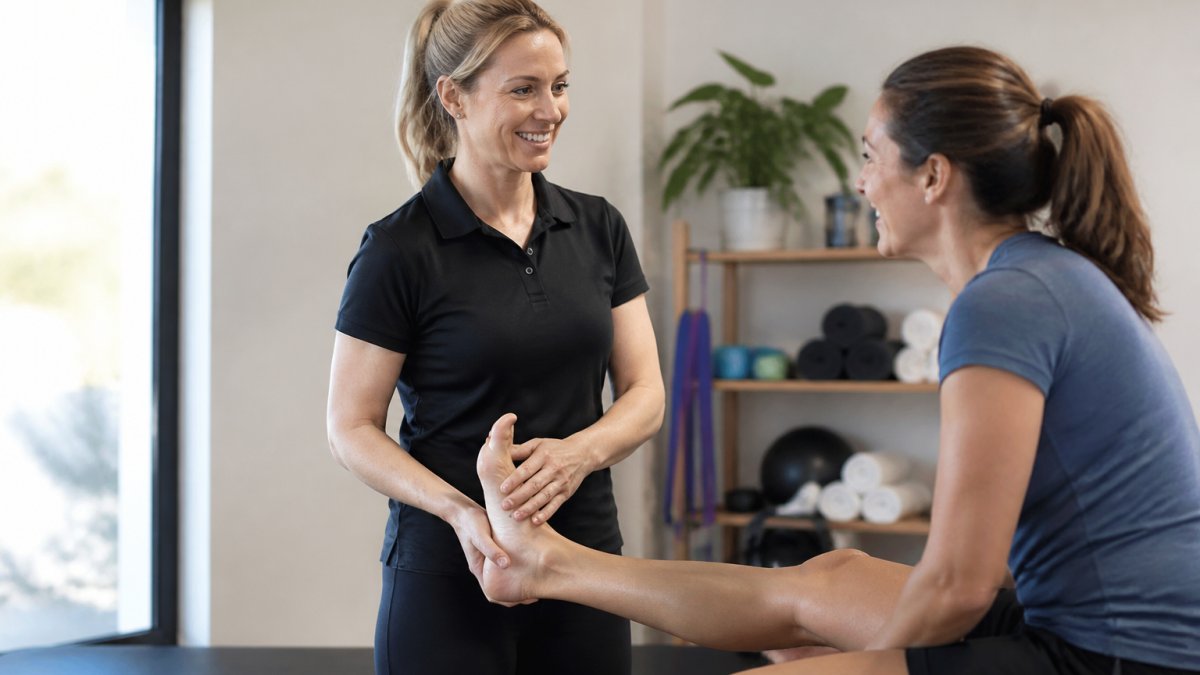
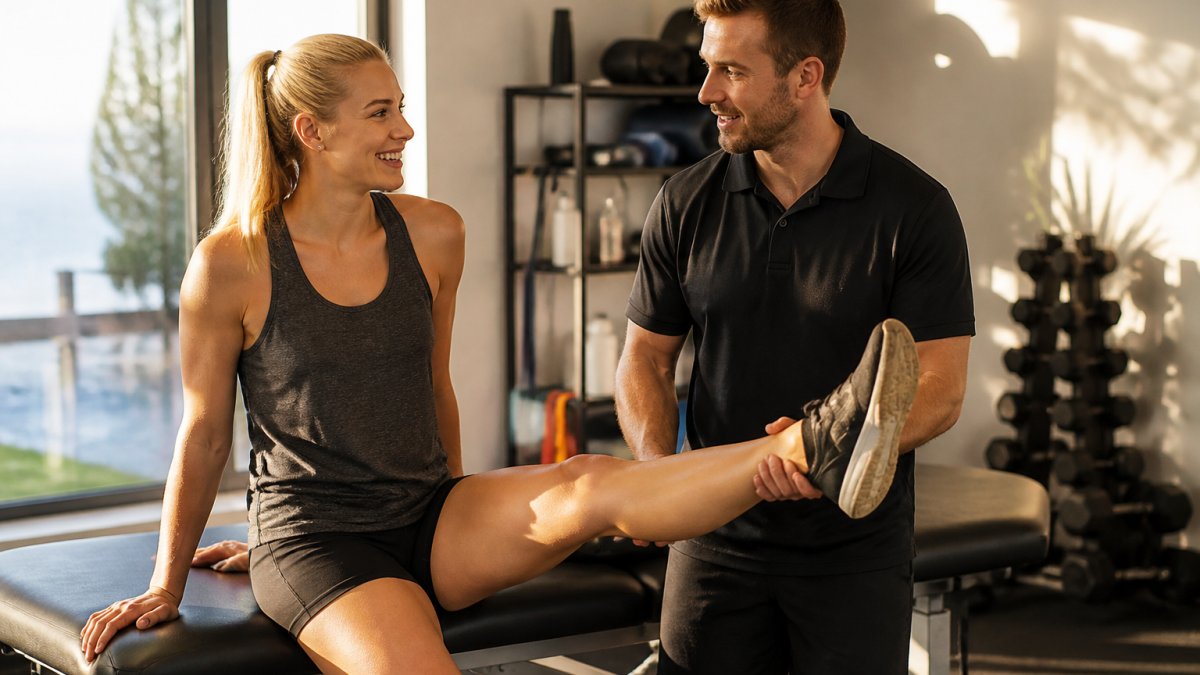
Manual stretch therapy is a hands-on technique where the therapist takes a joint or muscle group through a controlled stretch you cannot achieve alone. It is particularly useful for long-standing stiffness in the hips, shoulders, and hamstrings.
The advantage is precision. You get a deeper, more specific stretch than self-stretching allows, and the therapist can feel exactly where the restriction sits.
Costs, Rebates and Coordinating Care With Your GP
Cost is one of the main reasons people delay booking a chronic pain clinic, and most clinic pages say almost nothing about it. Here is the practical picture.
What you will typically pay for
Hands-on musculoskeletal treatment is usually charged per session, and the fee depends on session length and the techniques used. Initial consultations cost more than follow-ups because they include history-taking and a movement screen. Ask for a written quote before you book.
Private health extras cover
Many private health funds cover remedial massage under extras cover, and clinics using HICAPS can process the rebate on the spot so you only pay the gap. Two things to check with your fund before the appointment: whether remedial massage is included in your extras tier, and whether you have served the waiting period. The Private Health Insurance Ombudsman guidance on extras cover explains how extras policies and rebates work.
Medicare and chronic disease management
Medicare generally does not cover remedial massage. If your pain is complex and your GP agrees, a chronic disease management plan (sometimes called a GP Management Plan and Team Care Arrangements) can provide a set number of subsidised allied health sessions per calendar year. Eligibility, the number of sessions, and which disciplines qualify are set by the scheme, so confirm the current rules with your GP and check the Services Australia guidance on chronic disease management before assuming a rebate applies.
Work injury and motor accident schemes
If your pain followed a workplace injury or a motor vehicle accident, treatment may be funded through the relevant compensation scheme rather than private health. Approval pathways and approved providers differ between schemes, so ask your insurer or scheme manager before booking, and tell the clinic which scheme applies so the paperwork is handled correctly.
Coordinating care with your GP
The most useful thing you can do is keep your GP in the loop. Tell them what treatment you are having, ask the clinic to share notes with your consent, and bring your GP's questions to the next appointment. A short written summary from the clinic, what was assessed, what was treated, and what changed, makes the GP's review far more useful than a verbal report.
Watch Out Do not stop prescribed medication or change your dose without speaking to your GP or pharmacist, even if your pain is improving. Medication changes are a medical decision, not a hands-on treatment decision.
Preparing a useful referral
If your GP is referring you, ask for a short letter covering the diagnosis or working diagnosis, relevant scans, medications, and the goals of treatment.
Persistent pain is managed best as a team effort, and the funding and coordination details above are usually the difference between a plan that gets followed through and one that stalls after the first appointment.
Frequently Asked Questions
What should I look for in a chronic pain clinic?
Look for a clinic that starts with a proper assessment rather than jumping straight into treatment. Ask what hands-on techniques the practitioners use, whether they hold recognised qualifications in remedial massage or a related discipline, and how they track your progress between sessions. A good chronic pain clinic will explain what it can and cannot do, refer you back to your GP when something needs medical review, and give you a written plan with clear review points. Ask about private health fund rebates and whether HICAPS is available on site so you know what you will pay.
Can remedial massage for back pain be part of a chronic pain management plan?
It can be one part of a broader plan. Remedial massage for back pain focuses on tight, overworked soft tissue, trigger points and restricted movement that often build up alongside persistent pain. It will not fix the cause on its own, so it works best alongside movement work, strength and mobility exercises, and review with your GP or another treating professional. Ask the therapist what you should do between sessions, because the home program is where much of the lasting change happens.
How do I prepare for my first chronic pain appointment?
Write down when the pain started, what makes it worse and what eases it, and how it affects sleep, work and exercise. Bring a list of medications and any scans or reports you have. Wear or bring clothing that lets the therapist assess the area, such as shorts for a back or hip issue. Be honest about treatments you have already tried and what did not work, because that shapes the plan. Arrive ten minutes early so the consultation is not rushed.
How can I tell whether a hands-on treatment approach is right for me?
A hands-on approach suits people with muscular tightness, restricted mobility, recurring stiffness or pain that has not settled with rest. It is not the right first step if you have unexplained weight loss, numbness, severe weakness, a recent significant injury or pain following a fall. In those situations, see your GP first. A reputable clinic will screen for these red flags during the initial consultation and tell you honestly if hands-on treatment is not appropriate for your situation.
Persistent pain is frustrating, and it rarely resolves on its own. If you have tried other approaches without lasting change, a hands-on assessment is a sensible next step. At Fix My Muscles, we combine remedial massage, dry needling, myofascial cupping and manual stretch therapy through our MARS framework, with HICAPS available for private health rebates. Book an assessment and we will tell you honestly whether we can help.
Book a Treatment

Comments