


How to Relieve Tight Hamstrings for Cyclists
Last Updated: November 21, 2026
Quick Summary
Relieve tight hamstrings by first self-assessing whether the tension is protective or a strain, then matching the fix to the cause: dynamic stretches before rides, static holds after, plus hip hinge drills and strengthening work like RDLs and Nordic progressions. Check saddle height and handlebar drop too, since a setup that stretches the hamstrings keeps them under tension all ride.
Perceived tightness is usually a nervous system response, not proof the muscle has physically shortened.
Do a ten-minute self-check before stretching; sharp pain, tingling or numbness means stop and get assessed.
Use dynamic work like leg swings before a ride and save static holds of 30 seconds for after.
Strength work such as Romanian deadlifts and Nordic progressions builds the capacity tight hamstrings often lack.
A saddle set too high or bars too low keeps hamstrings stretched, so change one setup item at a time.
Hamstrings tight after every ride?
We assess, treat and rebuild hamstring function for cyclists with hands-on care and the MARS approach.
Table of Contents
Why Cyclists Get Tight Hamstrings (It's Not Always Shortness)
Tight hamstrings in cyclists are usually a feeling of tension, not proof that the muscle has physically shortened. That distinction changes everything about how you treat it. Many riders can touch their toes but still describe their hamstrings as "locked up" after a long ride. (Source: the Australian Institute of Sport's recovery strategies)
The sensation is real. The cause is often more complex than simple muscle length.
Perceived Tightness vs Actual Muscle Shortness
Perceived tightness is a nervous system response. The muscle senses load and signals protection through tension.
Actual shortness means the tissue has genuinely lost range. This is far less common in regular riders than most people assume.
A rider who feels tight after a hard session may have perfectly normal hamstring length. The tightness comes from fatigue, load, and neural guarding.
How Cycling Posture and Pedalling Load the Hamstrings
Cycling locks you into a bent-over position for hours. Your hips stay flexed. Your knees drive repeatedly through a limited range.
The hamstrings cross both the hip and knee joints. They work through hip extension and knee flexion on every pedal stroke.
Add a saddle position that stretches reach or drops the bars low, and the hamstrings spend the whole ride under tension.
A Step-by-Step Self-Assessment Before You Stretch
Before you stretch anything, work out what kind of tightness you have. This short self-check takes about ten minutes and saves you from stretching a problem that needs strength, load management or rest instead.
Work through these steps in order and write down what you find. A simple note on your phone is enough.
Stand and hinge forward slowly. Note where you feel the pull. A broad, central hamstring pull that eases as you settle is usually muscular. Sharp, localised or shooting pain is a red flag, stop here.
Do a single-leg raise lying on your back. Keep the knee straight and lift the leg until you feel tension, not pain. Compare both sides.
Test a gentle hamstring stretch for 20 seconds. If the tightness eases while you hold, it is likely protective tension. If it stays sharp or worsens, stop and note it.
Check for nerve symptoms. Tingling, numbness, burning, or pain that runs below the knee and into the foot needs professional assessment, not stretching. Neural tension often feels like hamstring tightness but behaves differently, it may worsen with a slumped or seated position and ease when you straighten up.
Note when it hurts. Pain only during riding that settles quickly can relate to bike setup or training load. Pain at rest, at night, or that lingers needs a professional assessment.
Check for bruising, swelling or a sudden pop. These suggest a strain rather than tightness and change the plan entirely, no stretching, and get assessed.
What Your Results Mean
Eases with gentle movement and a short stretch: likely protective tension. Progress to mobility and strength work rather than longer holds.
One side clearly tighter or weaker: likely a control or capacity issue. Single-leg strength work should come before stretching.
Nerve-like symptoms or pain below the knee: stop stretching and get assessed.
Watch out: stretching a nerve-related problem or a fresh strain can make it worse. If any step produces sharp pain, tingling, numbness, bruising or a feeling of instability, stop and get assessed rather than pushing through.
Returning to Riding Safely
If you have had a strain or a flare-up, use a graded return rather than jumping back into your normal week. A common approach is to start with easy spinning on flat terrain or the indoor trainer for a short session at a cadence you can hold comfortably, and only increase duration or intensity once symptoms have settled.
For a broader look at how these problems are managed, the better health channel and Sports Medicine Australia publish plain-language guidance on hamstring strain and return-to-activity principles that align with this approach.
Hamstring Stretches for Cyclists That Actually Help
The best hamstring stretches for cyclists are the ones matched to the right moment. Dynamic work belongs before a ride. Static holds belong after.

Dynamic Stretching Before a Ride
Dynamic stretching moves the muscle through range without holding. It primes the tissue for pedalling.
Leg swings: 10 forward and back per leg, controlled
Walking hamstring sweeps: 8 per leg, slow and deliberate
Hip hinges with a light bar: 10 reps, focus on a neutral spine
Five minutes of this beats a long static hold before you clip in. Cold static stretching before hard efforts can dull power output.
Static Stretching and Post-Ride Routine
Static stretching works best when the muscle is warm. Save it for after the ride, when tissue is pliable and the nervous system is calm.
Seated single-leg stretch: 30 seconds per side, two rounds
Standing prop-assisted stretch: foot on a low step, hinge gently, 30 seconds per side
Downward dog: hold 30 to 45 seconds, breathe slowly
Keep holds comfortable, not aggressive. A stretch that makes you wince is too much.
Hamstring Mobility Exercises for Cyclists
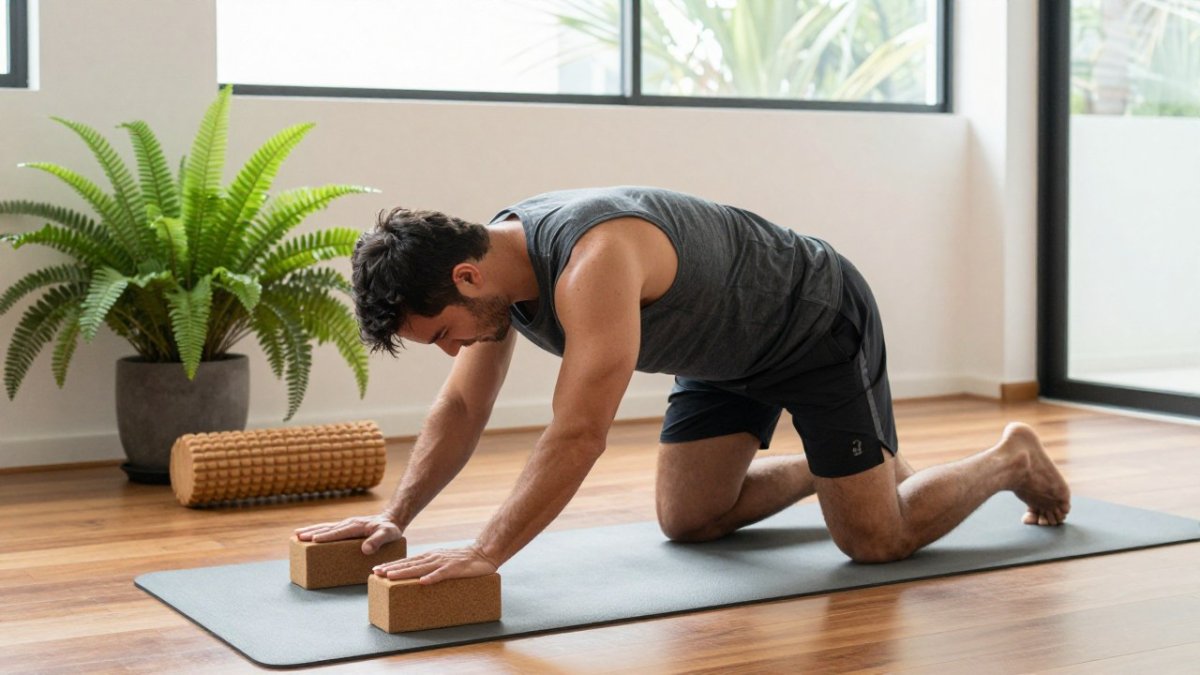
Hamstring mobility exercises for cyclists target controlled range, not just passive length. The goal is usable movement you can hold under load.
Hip hinge drills with a dowel: 3 sets of 8, keep the dowel touching head, back, and tailbone
Slow leg lowers: lie on your back, lift one leg, lower it over 5 seconds, 8 per side
90/90 hip switches: 8 per side, move slowly through the hips
Do these on easy days or after a ride. They build range you can actually control on the bike.
Hamstring Strengthening Exercises for Cyclists
Strength is the missing piece in most tight-hamstring programs. A hamstring that feels tight under load often needs more capacity, not more stretching.
Romanian deadlifts: 3 sets of 6 to 8, light to moderate load, hinge from the hips
Single-leg RDLs: 3 sets of 6 per side, focus on balance and control
Nordic curl progressions: 3 sets of 3 to 5, build slowly over weeks
Strong glutes and hamstrings share the load. When the glutes switch off, the hamstrings pick up the slack and tighten up in response.
Bike Fit for Tight Hamstrings: Saddle Position and Setup Checks
Bike fit for tight hamstrings starts with saddle height and position. A saddle set too high extends the knee and stretches the hamstring on every stroke, and a front end that is too low keeps the hamstrings under tension for the whole ride. The aim is a setup you can hold without the hamstrings working at end range.
Use these checks as general starting points, then adjust in small steps.
Saddle Height
Heel method: sit on the saddle and place your heel on the pedal at the bottom of the stroke with the crank in line with the seat tube. Your knee should be almost straight but not locked. When you clip in and pedal with the ball of your foot, there should be a slight bend at the bottom.
Watch out: raising the saddle to chase a "longer" position can increase hamstring stretch and lower-back tension.
Saddle Setback and Fore/Aft
Too far forward: increases load through the quads and can shorten the hip angle, which some riders feel in the hamstrings.
Too far back: increases reach and hamstring stretch.
Handlebar Drop and Reach
A very low front end increases hip flexion and hamstring stretch through the whole ride. If tightness builds mainly in the second half of long rides, try raising the bars or shortening the reach slightly before changing anything else.
A reach that is too long makes you pull on the bars and brace through the posterior chain. A reach that is too short crowds the hips.
Cleats and Cranks
Cleat position: cleats set too far forward can increase calf and hamstring tension. Moving them back slightly spreads load through the foot and calf.
Crank length: longer cranks increase knee and hip range on each stroke. If you are sensitive to hamstring tightness and ride very long cranks, a shorter crank is worth discussing with a fitter.
How to Change Your Setup Safely
Make one change at a time and ride easily for a short period before judging it. Keep a note of what you changed and how your hamstrings felt.
If knee discomfort shows up alongside hamstring tightness, our guide on coping with knee pain in running and cycling covers what to check next. For general cycling safety and setup guidance, AusCycling and the better health channel are useful reference points.
When to Get Hands-On Help for Hamstring Pain
Some hamstring tightness clears with smarter loading and a better setup. Some does not. Hands-on treatment helps when tightness keeps returning despite your best efforts.
Signs it is time to get assessed:
Tightness that returns within days of stretching
Pain that limits your riding or daily movement
A persistent difference between legs
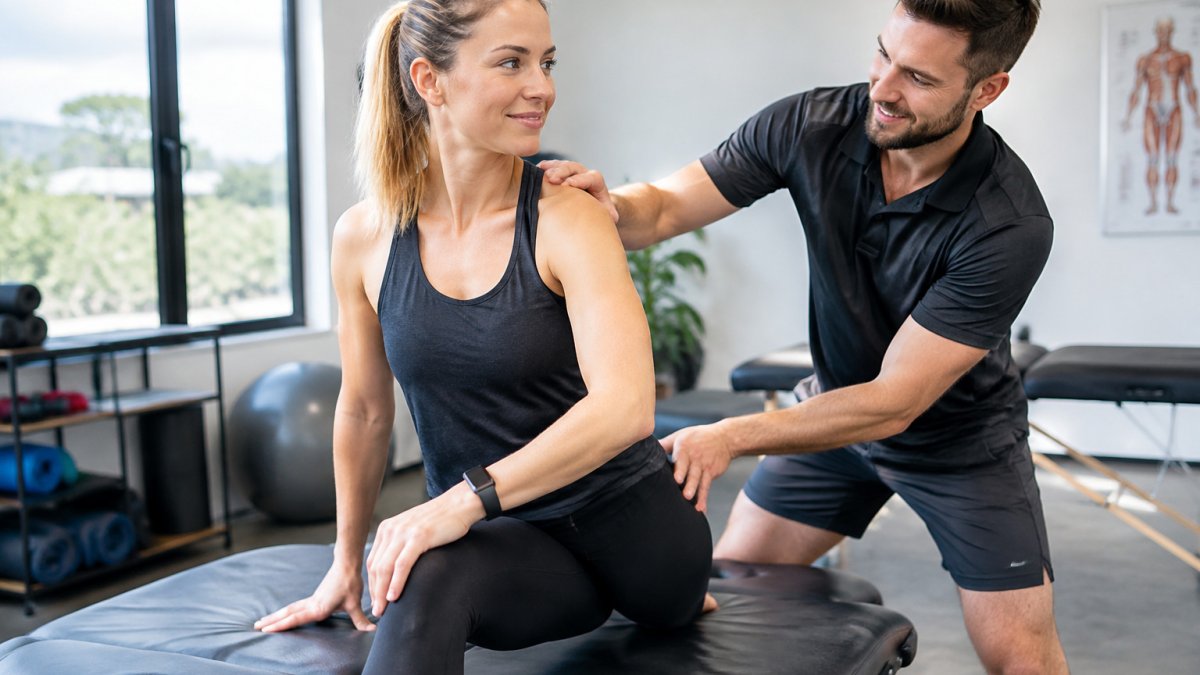
At Fix My Muscles, we use the MARS approach: Mobility, Activation, Release and Stretch. That might include manual stretch therapy, sports massage, dry needling, or myofascial cupping.
We work with a lot of sports injuries, including hamstring problems that have not settled with self-management. If you want to get assessed, you can book online.
Watch out: stretching harder when the problem is neural or load-related usually makes it worse. Get it checked before you push through.
Building Your Progressive Hamstring Plan
A good plan combines mobility, strength, and riding adjustments over time. Here is a simple structure to follow.
Phase | Focus | Frequency | What to Do |
Week 1-2 | Assess and reduce load | 3 sessions | Self-assessment, easy rides, daily dynamic warm-up |
Week 3-4 | Build mobility | 4 sessions | Dynamic warm-up, post-ride static holds, hip hinge drills |
Week 5-8 | Build strength | 3 strength days | RDLs, single-leg work, Nordic progressions |
Ongoing | Maintain and adjust | Weekly | One bike fit check, strength twice weekly, stretch after rides |
Keep a simple log of how your hamstrings feel before and after each ride. Patterns show up fast.
If you struggle to fit mobility work into your week, our article on fitting mobility work into a daily routine has practical ways to make it stick.
Tight hamstrings that keep coming back are usually a sign the plan is missing a piece, not that you need to stretch harder.
Frequently Asked Questions
Should cyclists stretch tight hamstrings before or after a ride?
Use dynamic movements like leg swings and hip hinges before a ride to prepare the muscles for pedalling, then save longer static holds for after you finish. Static stretching before a hard effort can temporarily reduce power output. A short post-ride routine of 20 to 30 second holds while the muscles are warm is a practical way to manage tight hamstrings and support recovery.
Why do my hamstrings feel tight when I cycle?
The bent-over riding position keeps the hamstrings in a shortened position for long stretches, and repeated pedalling loads them under tension. Perceived tightness often reflects muscle fatigue, overuse or pelvic position rather than true shortness. Saddle height, saddle position and training load all play a part, which is why a bike fit for tight hamstrings is worth checking alongside stretching and strengthening.
Can a bike fit cause tight hamstrings?
A saddle set too high or too far back can increase hamstring tension through the bottom of the pedal stroke, and a saddle too far forward changes how the posterior chain works. Small changes to saddle position, cleat placement and reach can reduce that load. If tightness keeps returning despite consistent stretching, a professional bike fit is a sensible next step before assuming the muscles are the only problem.
When should a cyclist get help for hamstring pain?
Seek assessment if you feel sharp pain, sudden weakness, numbness or tingling, or if tightness persists despite several weeks of consistent mobility and strengthening work. A hands-on assessment can distinguish muscle tension from nerve-related symptoms or injury. Practitioners at a musculoskeletal clinic can use techniques such as remedial massage, dry needling and manual stretch therapy alongside a graded plan to help you return to riding.

Comments